Fanvil i33V All-in-One Door Phone

Frequently Asked Questions

Confirm the network cable is securely connected and the unit is getting link lights. Then verify the SIP server address, username, and password in the web interface—typos in the domain or credentials are the most common cause. If you’re using a cloud-based platform like 3CX, ensure the provisioning URL is correct and the door phone is on the same VLAN as your phones.
Check that the calling extension actually answers the call; the i33V uses auto-answer by default, but the receiving device may need to pick up. Also confirm the speaker volume isn’t muted in the web settings and that there’s no physical blockage over the speaker grille. A quick test call from another extension to the door phone can help isolate whether the issue is on the door side or the desk phone side.
First, verify the DTMF digits or card ID are programmed correctly in the access list. Next, check the wiring between the i33V’s relay output and the door strike—loose connections or a faulty power supply to the strike can prevent unlocking. If the relay clicks but the door doesn’t release, the problem is likely on the lock side, not the door phone.
Make sure the infrared LEDs are enabled in the camera settings; they can be switched off inadvertently. Also check for obstructions or a dirty lens cover—even a thin layer of ice or dirt can block the IR light. If the area is pitch dark with no reflective surfaces nearby, the image may appear dim, so try introducing a subtle light source to confirm the camera is working.
Confirm that the cards haven’t been accidentally deleted from the access list in the web interface. A power cycle of the door phone can clear a transient reader fault. If multiple cards fail, the reader module itself may need attention, but first ensure the cards are compatible 125kHz or 13.56MHz types as specified for the i33V.
Inspect the Ethernet cable for damage and try a different port on the switch. If you’re using PoE, verify the switch delivers sufficient power (802.3af is typical for this class) and isn’t overloaded. A flaky power supply—whether PoE or a separate adapter—can cause random restarts, so testing with a known-good power source is a safe first step.
The i33V supports two SIP lines, so you can configure each line with a different extension or ring group. In the web interface, assign the primary line to ring first and the secondary as a fallback if the first is busy or unanswered. This is useful for having a receptionist as the main contact and a security desk as backup during off hours.
Yes, it works with most major cloud platforms that support standard SIP. You’ll need to enter the provisioning URL or manually configure the SIP server details. For a hosted 3CX or BroadSoft service, the i33V can usually be auto-provisioned, but you may need to whitelist its MAC address in the provider’s portal first.
The i33V is designed for outdoor use with an IP65 rating, so it withstands rain, snow, and dust. However, mounting it under an overhang or using the included weather shield can extend its life in extreme Canadian weather. If water seems to be getting inside, check that the cable gland and any unused port covers are properly sealed.
Download the firmware file from the official Fanvil support portal and upload it through the web interface’s upgrade section. Never interrupt power during the update. If the door phone is in a remote location, consider performing the update during a maintenance window and having someone physically present to power-cycle if needed. If the process fails, a Toronto-based VoIP support provider can usually resolve this remotely.
Door Phones

Fanvil i33V All-in-One Door Phone
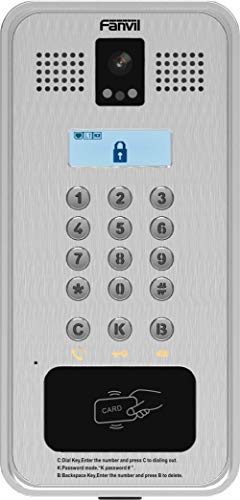
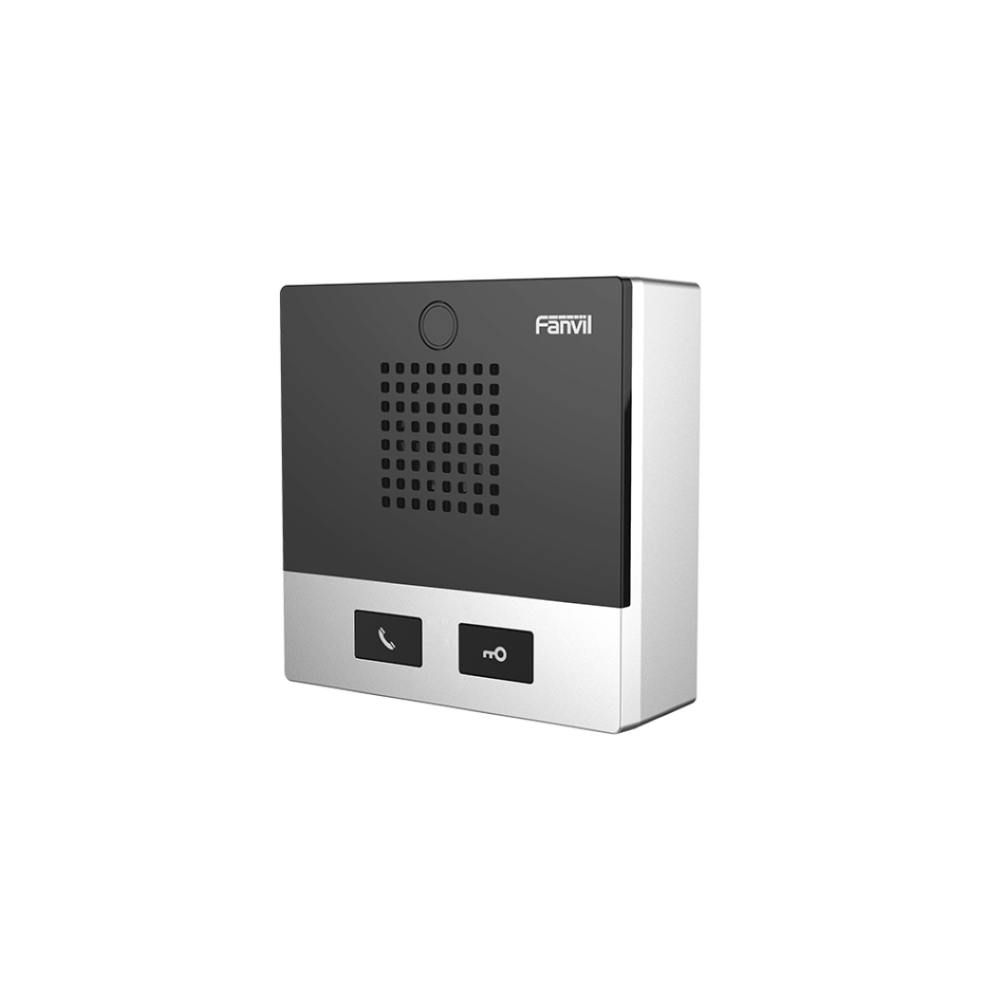
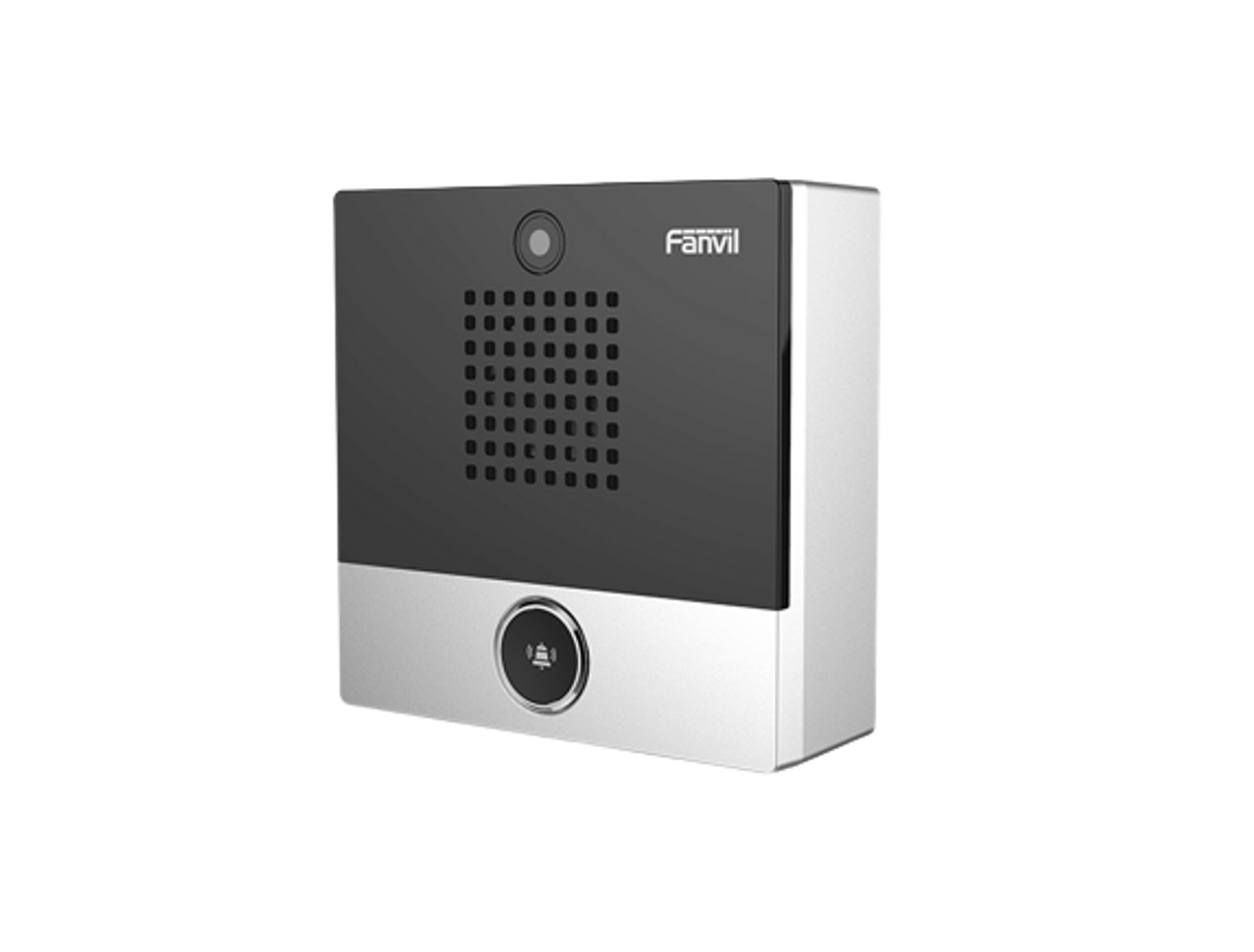
The Fanvil i33V is an all-in-one access control device that doubles as an intercom and broadcasting solution. It's a wall-mounted unit featuring infrared night vision, supporting 2 SIP lines and allowing for access control via call, code, or RFID/IC card and indoor switch. Key features include: • Built-in HD camera with infrared night vision and H.264 codec • High-definition voice speech quality with built-in 3W speaker and Acoustic Echo Canceller (AEC) • Protection level: IP65 and IK10 for durability and reliability • Temperature adaptability from -40°C to 70°C • Online management and upgrade capabilities • Compatibility with major platforms such as Aterisk, Broadsoft, 3CX, Metaswitch, Elastix, etc. • Support for 2 SIP Lines, SIP 2.0 (RFC3261), and related RFCs • Full-duplex handsfree functionality and default auto answer • Industrial Standard Certifications: IP65&IK10, CE/FCC • Unlock door method options: DTMF, password, RFID/IC card, indoor switch, WEB page • Video code: H.264 • Support for 2000 remote access list, 2000 RFID/IC cards, and 200,000 door open records For a full list of specifications, please refer to the product datasheet.

About This Product

The Fanvil i33V is built for outdoor and high-traffic entry points where durability and clear communication are non-negotiable. It suits Canadian commercial properties—from office buildings in the GTA to warehouses in Edmonton—thanks to its IP65 and IK10 ratings and a wide operating range that handles -40°C winters without a separate heater. The integrated camera with infrared night vision makes it practical for 24/7 use, and the combination of call, code, and RFID/IC card access gives tenants and visitors flexible entry options without piling on additional hardware.

This door phone fits naturally into an existing SIP-based phone system. It registers as a standard SIP endpoint, so it pairs well with platforms like 3CX, Asterisk, or BroadSoft—no proprietary middleware required. For a small to mid-sized office with a single main entrance, the i33V replaces a basic intercom and a separate card reader, consolidating access control into one wall-mounted unit. It also works as a broadcast speaker for announcements, which can simplify paging in a lobby or loading bay.

There are practical limits to keep in mind. With two SIP lines, it can handle a primary receptionist and a backup extension, but it isn't designed for a multi-tenant call center queue at the door. The 2000-card capacity suits most mid-sized deployments, yet a large campus with thousands of users may need a more scalable controller. Also, while it supports remote management, initial provisioning relies on a stable network drop; if your entrance lacks structured cabling, you'll need to factor that in.

For a single-family home or a small shop that just needs a ring-and-open button, this unit is likely overkill. Conversely, in a high-security environment requiring biometrics, elevator control, or integration with a head-end access control system, you'd typically pair it with a dedicated controller rather than relying on the i33V's onboard logic alone. In a typical Canadian business setting—say, a professional office or a light industrial facility—it hits a sweet spot between reliability, simplicity, and cost.
Services We Provide
  • Professional Installation & Configuration
  • Ongoing Maintenance & Support
  • Troubleshooting & Repairs
  • System Upgrades & Updates